

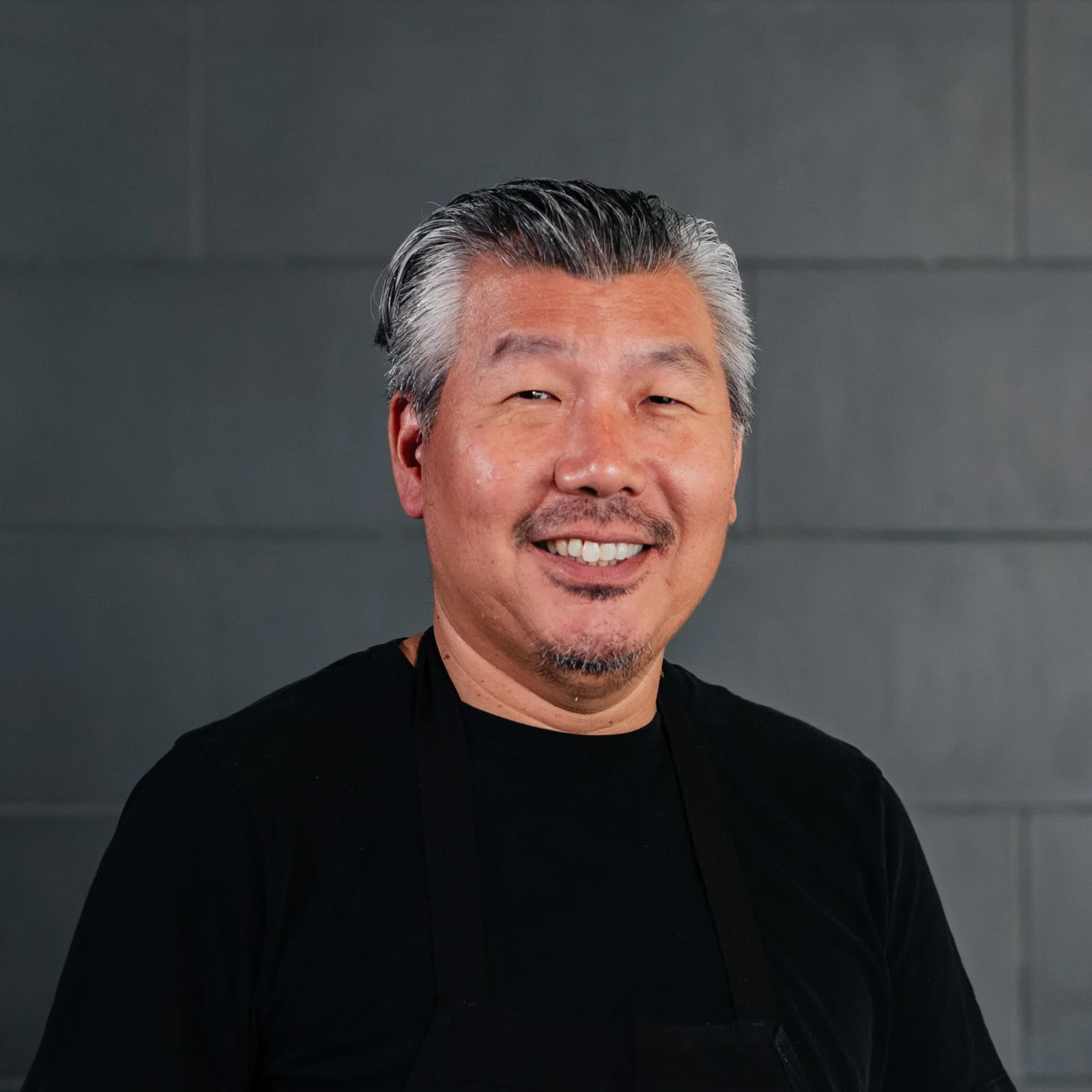

Chicago Chef Reduces Food Waste by 50%
Urbanbelly
Urbanbelly is a casual Asian-fusion restaurant concept crafted by award-winning Chef Bill Kim, with locations in Chicago’s Wicker Park and Time Out Market in Fulton Market. The menu features bold, innovative dishes like ramen, dumplings, and fried rice bowls, with vegetarian and gluten-free options. Committed to quality and creativity, Urbanbelly delivers a vibrant, community-focused dining experience.
Chef Bill Kim, founder of Urbanbelly, is committed to serving his customers exceptional Asian-inspired dishes in a casual, flavorful, and accessible way. Before the PreciTaste’s Prep Solution, his crew faced operational hurdles, with the bulk of their time being consumed by repetitive tasks such as manually tracking inventory and collecting data. These inefficiencies hindered the overall workflow and detracted from the company’s focus on the customer experience.
SOLUTION
The introduction of the PreciTaste’s Prep Solution automated Urbanbelly’s ingredient prep processes, streamlining routine tasks like tracking and data collection while providing real-time crew instructions with easy-to-follow visuals. This system accelerated workflow efficiencies and gave employees, managers, and Chef Bill greater confidence in the overall business performance.
Streamlined kitchen processes and reduced preparation time by 25% through AI-powered guidance and real-time monitoring systems.
Maintaining consistent food quality across all locations with real-time monitoring and standardized preparation processes.
Cut new staff training time by 50% with AI-guided instructions and intuitive digital workflows.
PreciTaste measured performance of 24 stores implementing the Prep Station Assistant. These are the results:
Cut new staff training time in half with AI-guided instructions and standardized processes.
Reduced food waste through better inventory management and precise preparation forecasting.
Cut food costs through less overproduction and tighter hold on ordering.
This website uses cookies to improve your experience. We\'ll assume you\'re ok with this, but you can opt-out if you wish. Read More
